How to Build Effective Revision Schedules
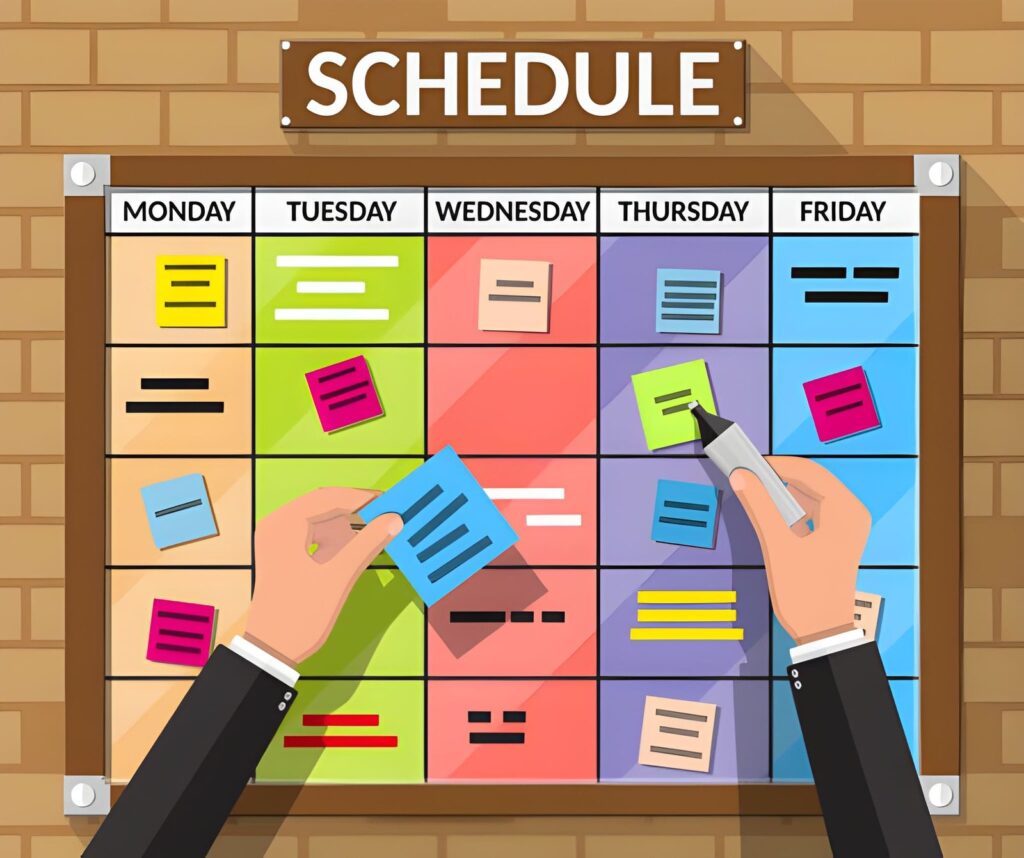
Creating a strong revision schedule can make the difference between feeling Hubet overwhelmed and feeling prepared. Whether you are studying for school exams, university assessments, professional qualifications, or an important test, a well-planned revision timetable helps you manage your time, reduce stress, and improve memory retention. The key is not simply to study more, but to study smarter. This guide explains how to build effective revision schedules that are realistic, balanced, and easy to follow.
Why Revision Schedules Matter
A revision schedule gives structure to your study time. Without a plan, it is easy to spend too long on familiar topics while avoiding difficult ones. You may also leave revision until the last minute, which can lead to stress and poor performance.
An effective revision timetable helps you:
– Break large subjects into manageable sections
– Prioritise topics based on difficulty and importance
– Track your progress over time
– Include regular breaks to avoid burnout
– Build confidence before exams
Good revision planning also supports active learning. Instead of passively reading notes, you can schedule time for practice questions, flashcards, past papers, and self-testing.
Start by Listing All Subjects and Topics
Before creating a revision schedule, write down every subject, unit, and topic you need to cover. This gives you a clear overview of the workload. For example, if you are revising biology, you might list topics such as cell structure, genetics, ecology, and human physiology.
Once you have a full topic list, divide each subject into smaller tasks. “Revise chemistry” is too broad, but “complete practice questions on chemical bonding” is specific and achievable. Smaller tasks make your revision plan easier to follow and help you measure progress more accurately.
Identify Your Exam Dates and Deadlines
The next step is to note all exam dates, coursework deadlines, and assessment periods. Place these dates into a calendar so you can see how much time you have available. This will help you decide how much revision each subject needs each week.
If one exam is much earlier than the others, it should receive more attention at the beginning of your revision schedule. However, avoid ignoring later exams completely. A balanced approach prevents last-minute panic and keeps all subjects fresh in your memory.
Prioritise Difficult and High-Value Topics
Not all topics need equal revision time. Some may be more difficult, while others may appear more often in exams. Use your topic list to rate each area according to confidence level and importance.
You could use a simple traffic light system:
– Green: confident and only needs light review
– Amber: partly understood but needs more practice
– Red: difficult or unfamiliar and needs focused revision
Prioritise red and amber topics in your revision timetable. This helps you spend time where it will make the biggest difference. However, still revisit green topics occasionally to maintain your knowledge.
Choose a Revision Schedule Format
There are several ways to design a revision schedule. The best format is the one you will actually use. Popular options include:
Weekly Revision Timetable
A weekly timetable works well if your routine changes from week to week. You can plan your study sessions every Sunday evening and adjust them based on school, work, or other commitments.
Monthly Revision Calendar
A monthly calendar gives you a broader view of your revision plan. It is useful for long-term exam preparation because you can map out major topics and ensure everything is covered before the exam period.
Digital Revision Planner
Apps, spreadsheets, and online calendars are ideal if you like reminders and flexible editing. Digital tools make it easy to move tasks around if your plans change.
Paper Planner
A paper planner is simple, visual, and distraction-free. Many students find it satisfying to tick off completed tasks, which can boost motivation.
Use Time Blocks Effectively
Time blocking is one of the most effective revision planning methods. Instead of vaguely deciding to study in the evening, schedule specific blocks such as “6:00–6:45 p.m. Maths practice questions” or “7:00–7:30 p.m. History flashcards.”
Most people focus best in sessions of 25 to 60 minutes. The Pomodoro technique, which involves 25 minutes of focused study followed by a 5-minute break, can be especially useful. Longer sessions can work too, but they should include short breaks to maintain concentration.
When planning time blocks, be realistic. If you know you are tired after school or work, schedule lighter tasks during that time, such as reviewing flashcards or organising notes. Save more demanding work for when your energy is highest.
Include Active Revision Techniques
An effective revision schedule should include more than reading and highlighting. Active revision helps your brain retrieve and apply information, which improves long-term memory.
Useful active revision methods include:
– Completing past exam papers
– Answering practice questions
– Teaching a topic to someone else
– Creating mind maps
– Using flashcards
– Writing summaries from memory
– Testing yourself without notes
Try to include a mix of techniques in your revision timetable. For example, you might spend one session reviewing a topic, the next session answering questions, and a later session completing a timed exam paper.
Schedule Regular Review Sessions
Spaced repetition is a powerful learning strategy. It means reviewing information at increasing intervals instead of cramming everything at once. For example, after learning a topic, review it the next day, then three days later, then a week later.
Build review sessions into your revision schedule. These sessions do not need to be long. Even 15 minutes of quick recall can strengthen memory and help you identify gaps in understanding.
Balance Study, Breaks, and Rest
A revision schedule should not fill every spare moment with studying. Rest is essential for concentration, motivation, and memory. If your timetable is too intense, you are more likely to give up or burn out.
Make sure your schedule includes:
– Short breaks between study sessions
– Time for meals and exercise
– Relaxation and hobbies
– Enough sleep each night
– At least some flexible time each week
Sleep is especially important during revision. Your brain consolidates information while you rest, so sacrificing sleep for extra study is usually counterproductive.
Track Your Progress and Adjust the Plan
Your revision schedule should be flexible. At the end of each week, review what you completed and what still needs attention. If you underestimated a difficult topic, move tasks around and give it more time. If you finished something early, use the extra time for practice questions or review.
Tracking progress also keeps you motivated. Tick off completed tasks, colour-code topics, or keep a simple checklist. Seeing your progress can make revision feel more manageable and rewarding.
Final Tips for Building an Effective Revision Schedule
To make your revision timetable successful, keep it realistic, specific, and balanced. Start early, focus on weaker areas, and use active learning techniques. Avoid creating a perfect-looking schedule that is impossible to follow. The best revision Cá cược bóng đá schedule is one that supports consistent progress.
Remember that effective revision is not about studying all day. It is about planning carefully, working with focus, reviewing regularly, and protecting your wellbeing. With a clear revision schedule, you can approach your exams with greater confidence and control.